
What John Ternus’s leadership could mean for Apple’s user experience
John Ternus takes over Apple as AI reshapes how people use technology. His engineering background offers clues to what comes next for product design and user experience.
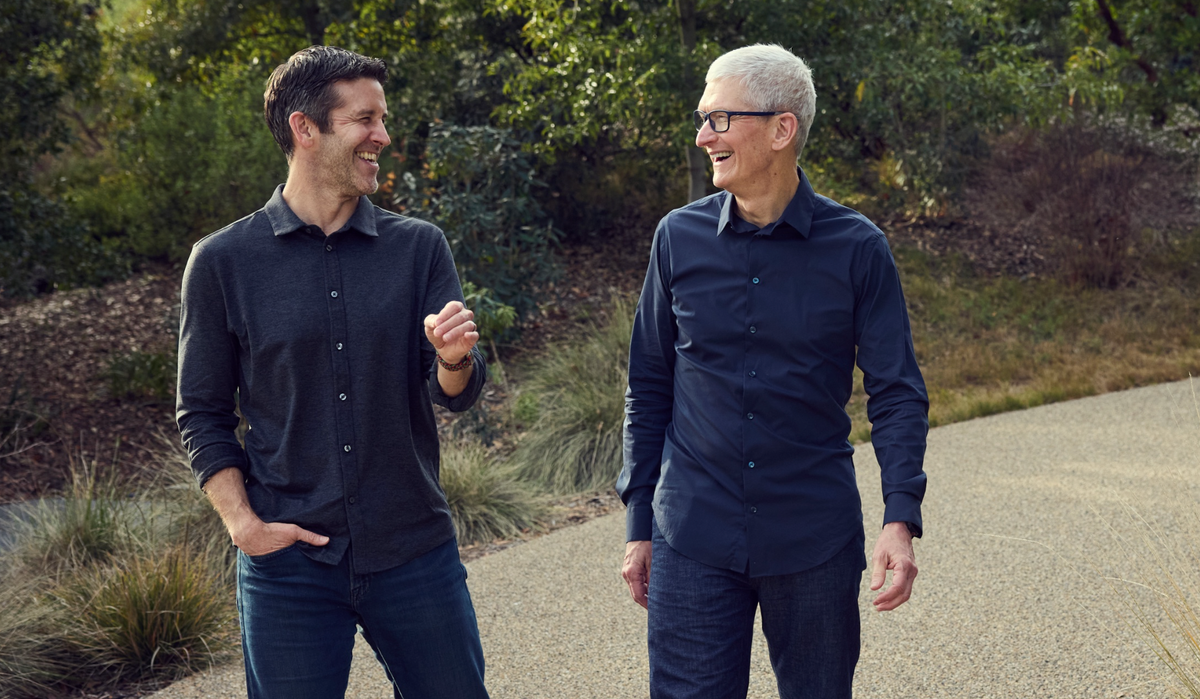
John Ternus became Apple’s CEO on September 1, succeeding Tim Cook, who remains executive chairman. His appointment puts a longtime hardware engineering leader in charge as Apple faces growing pressure to improve its AI and software experiences. Apple’s announcement
For designers and product teams, his background offers clues about what could receive greater attention, from how devices feel and age to how reliably an assistant completes a task. It is still too early to identify a distinct Ternus era, but his record provides a starting point.
The experience extends beyond the screen
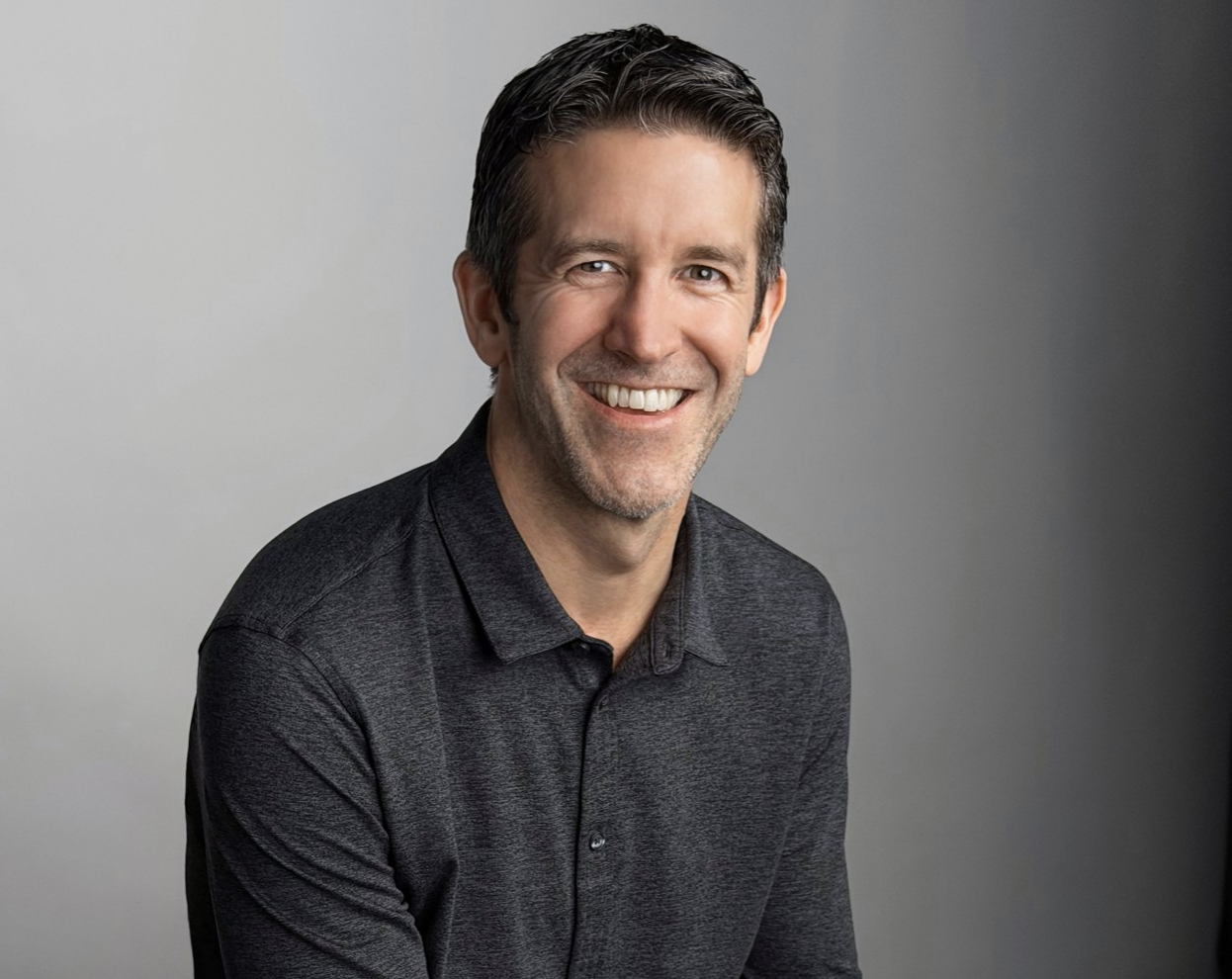
Ternus joined Apple’s product design team in 2001 and later led hardware engineering. His work spans iPad, AirPods, iPhone, Mac, and Apple Watch. Apple’s leadership biography highlights his contributions to reliability, durability, sustainable materials, and repairability. Apple’s biography
These priorities shape everyday user experience. Weight affects how comfortably someone holds a device. Battery life determines whether they can rely on it throughout the day. Repairability influences the cost and inconvenience of keeping it working.
Ternus’s appointment could give these considerations greater weight in product decisions. It does not establish a new design policy, but it places someone with direct experience of those engineering trade-offs at the head of the company.
AI will test Apple’s ability to simplify complexity
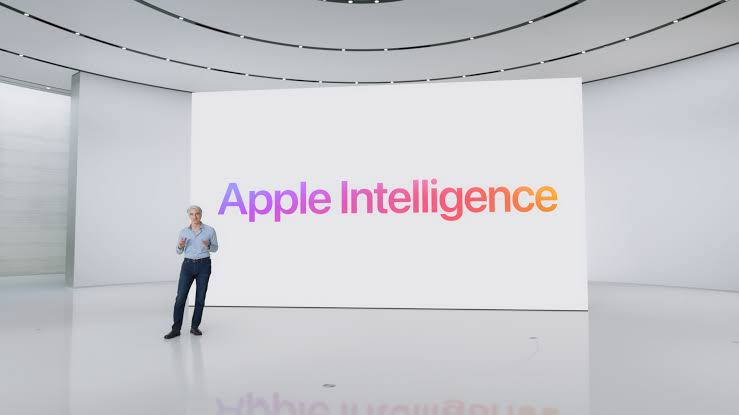
Ternus inherits an uneven AI rollout, including delays to promised capabilities. Apple has since presented further Siri upgrades with an emphasis on privacy and everyday usefulness. Associated Press
The design challenge extends beyond understanding a request. An assistant must communicate what it is doing, recognize when it needs clarification, and let users correct mistakes. Completing a task with fewer taps is only an improvement if people understand and trust the result.
Ternus has described technology as a means of building better products. Applied to AI, that outlook could encourage focused features with clear benefits. Delivering them, however, will require software execution that matches Apple’s attention to hardware detail. Reuters
What product teams should watch
Early launches will largely reflect decisions made before the handover. Ternus’s influence will become clearer through the projects he prioritizes and the problems Apple chooses to solve.
For product teams, useful signals will include how Siri handles ambiguous requests, whether users can review and reverse AI actions, and how consistently interactions work across devices. These details will reveal more about Apple’s direction than the number of AI features it announces.
Ternus’s opportunity is to bring the care associated with Apple’s physical products into experiences whose behavior is harder to predict. For users, the difference will be visible in everyday tasks that become easier to complete and easier to correct when something goes wrong.